
What is Encapsulation Material? | Exploring the Wonders of Potting Compounds, Resins, and Silicone Sealants in PCBs
Encapsulation material plays a crucial role in various industries, offering protection and stability to electronic components. In this blog, we delve into the world of encapsulating materials, with a focus on crawl spaces, potting compounds, electronic coatings, resins, PCBs, and silicone sealants.
Understanding Encapsulation:
Encapsulation involves the use of protective materials to surround and shield electronic components from environmental factors such as moisture, dust, and mechanical stress. This process ensures the longevity and reliability of sensitive devices.
Crawl Space Encapsulation:
In construction and building maintenance, crawl spaces are often encapsulated to prevent issues like mold growth, moisture damage, and structural issues. Encapsulation materials create a barrier, safeguarding the structural integrity of buildings and promoting a healthier indoor environment.
Potting Compounds for Electronic Components:
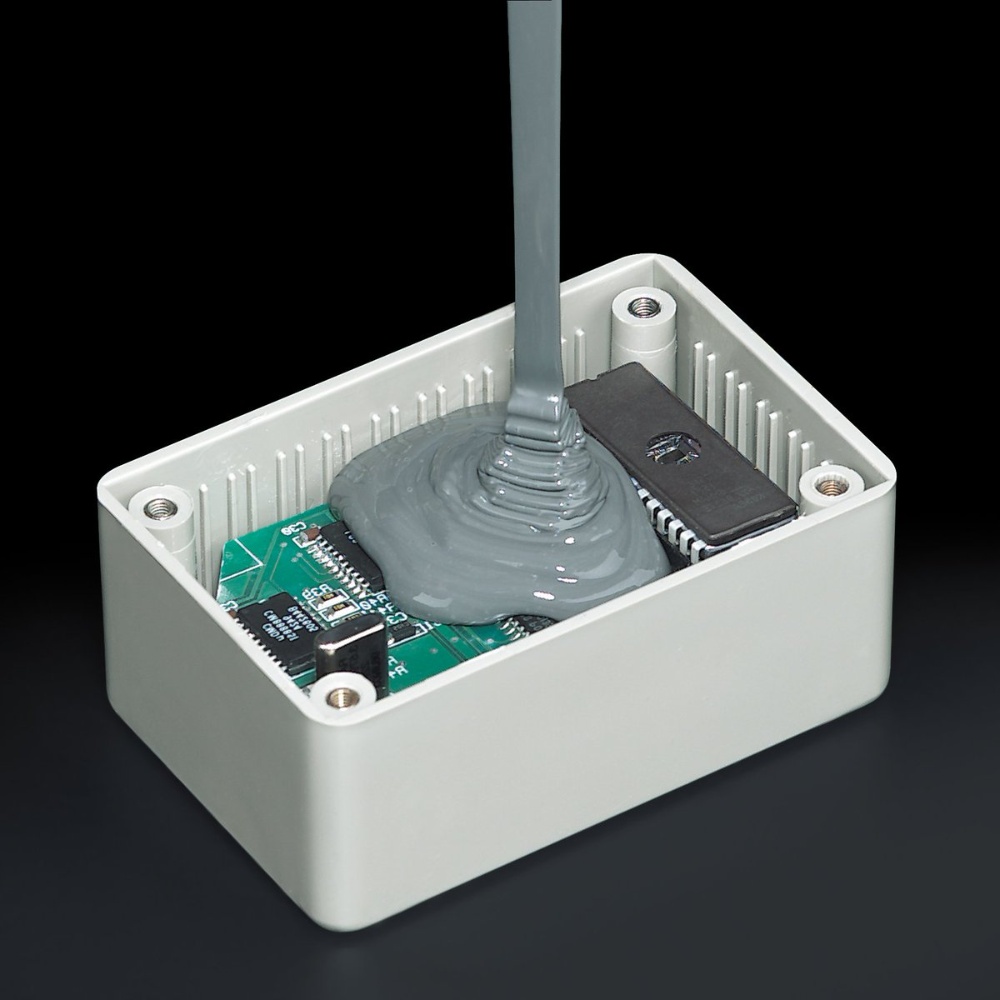
Potting compounds are specially formulated materials designed to encapsulate and protect electronic components on printed circuit boards (PCBs). These compounds offer insulation against external elements, shock absorption, and enhanced thermal management. Their use is prevalent in industries where electronic devices are exposed to harsh conditions.
Resins in Encapsulation:
Resins are widely used in encapsulation due to their excellent adhesive properties and resistance to environmental stressors. Epoxy resins, for example, are commonly employed in PCB manufacturing to provide a protective layer that enhances the durability and reliability of electronic devices.
The Role of Silicone Sealants:
Silicone sealants are versatile materials known for their flexibility and resistance to extreme temperatures. In the context of encapsulation, silicone sealants create a protective barrier against moisture and contaminants. Their ability to adhere to various surfaces makes them valuable in ensuring a secure encapsulation process.
Encapsulation in PCBs:
Printed circuit boards are the backbone of electronic devices, and encapsulation is integral to their functionality. Potting compounds, resins, and silicone sealants are applied to PCBs to safeguard delicate components from factors like humidity, temperature fluctuations, and mechanical stress. This ensures the longevity and reliability of electronic devices in diverse applications.
Conclusion:
Encapsulation materials play a vital role in preserving the integrity and functionality of electronic components. From crawl space encapsulation in construction to the intricate world of PCBs, potting compounds, resins, and silicone sealants offer a robust defense against environmental challenges. As technology continues to advance, the importance of encapsulation in maintaining the reliability of electronic devices becomes even more apparent.